
Table of Contents
Have you ever heard of cevurı? If not, you’re in for something truly special. This flavorful dish is full of history, heart, and delicious ingredients. It’s one of those meals that brings people together—whether for a family dinner, a community gathering, or a quiet moment at home.
Cevurı might be new to your ears, but in many parts of the world, it’s a dish loved for its deep flavors and cultural meaning. Like many traditional meals, it’s more than just food. It tells a story—one filled with heritage, warmth, and the comfort of home.
In this friendly and easy-to-follow guide, we’ll explore everything about cevurı—what it is, where it comes from, how it’s made, and why so many people love it. You’ll also learn how to enjoy it in modern ways, the best tips for making it at home, and how this dish connects generations through food.
Let’s take a tasty journey into the world of cevurı and celebrate this hidden gem of global cuisine.
What Is Cevurı?
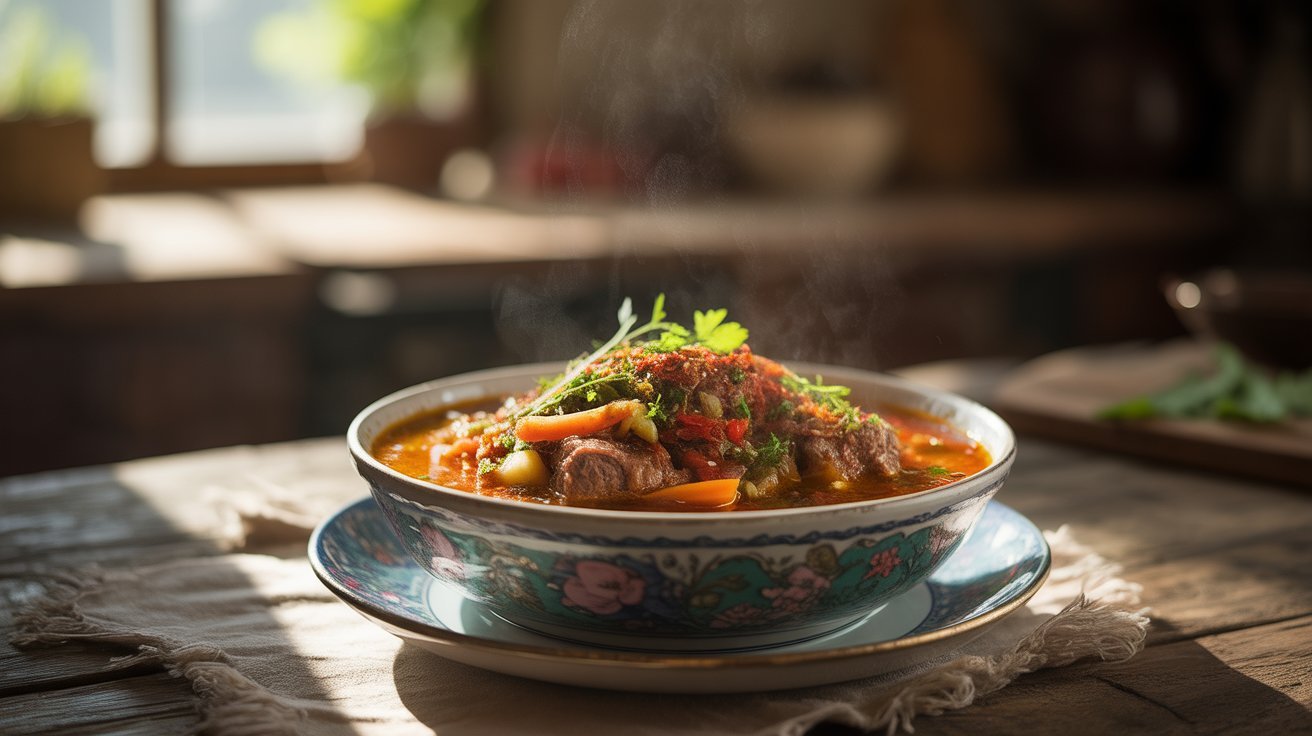
Cevurı is a traditional dish that combines hearty ingredients, bold spices, and slow cooking to create something truly comforting. It usually features a mix of vegetables, grains, and often meat, though there are tasty vegetarian versions too.
Depending on where it’s made, cevurı can look a little different. But no matter what form it takes, it’s always warming, rich in flavor, and made with love. Some say it’s similar to a stew or thick soup, while others describe it more like a casserole cooked over fire or in clay pots.
The beauty of cevurı lies in its flexibility. It’s a dish that’s passed down through generations and is often made from simple, local ingredients. That’s why it’s still so popular—it feels like home, no matter where you’re from.
The History of Cevurı
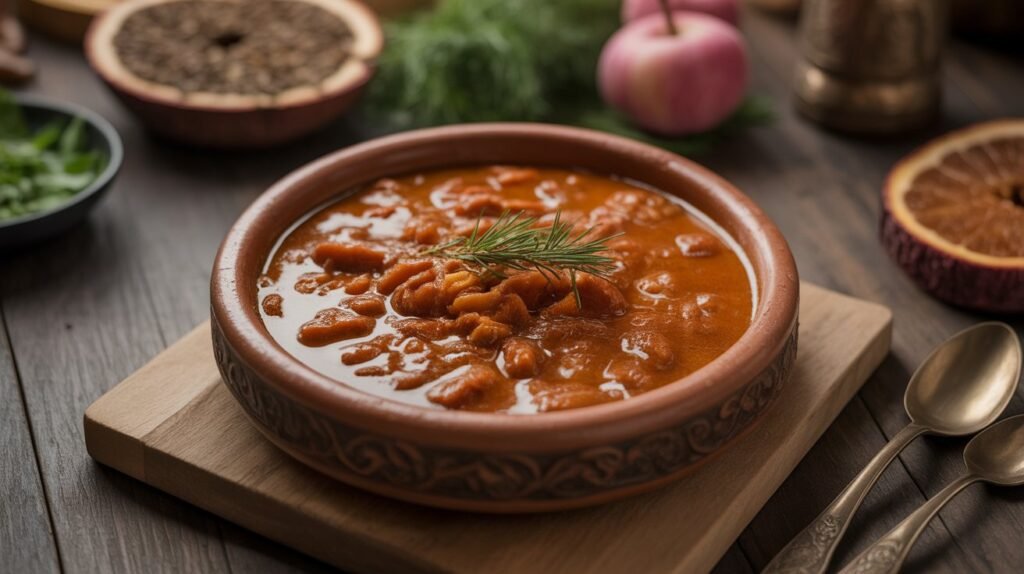
Cevurı has roots that go back hundreds of years. It started out as a traditional dish among rural families who used what they had—grains, veggies, and protein. Over time, this comforting meal became special not just for how it tastes, but for what it represents: family, survival, and togetherness.
While the exact origin can vary depending on culture, one thing stays the same: cevurı is often made with care. Hand-me-down recipes, stories from grandparents, and touches of local flavor make every version of cevurı feel unique.
Back then, cooking was about nourishment and community. People gathered around a fire, shared stories, and cooked meals that brought everyone together. That’s exactly what cevurı still stands for today.
The Ingredients That Make Cevurı Special
One of the great things about cevurı is that you don’t need fancy ingredients. You can make a comforting version using items you already have in your kitchen.
Common ingredients include lentils, rice, onions, peppers, tomatoes, beef or chicken, and basic spices like paprika, cumin, and garlic. Some people also use yogurt-based sauces or special herbs depending on their region or personal style.
Vegetarians often skip the meat and add things like eggplant or potatoes. The dish can be spicy or mild, thick or thin, but it always aims to be filling, flavorful, and satisfying.
It’s also a great dish for using leftovers—nothing goes to waste. That kind of kitchen wisdom makes cevurı a smart and sustainable meal, loved by modern cooks too.
How to Make Cevurı at Home
Ready to cook your own cevurı? It’s easier than you might think. You don’t need to be a trained chef—just someone who enjoys making a cozy, hearty meal.
Start by sautéing onions, garlic, and fresh vegetables in olive oil until soft. If you’re using meat, brown it in the same pot and set it aside. Add herbs, spices, and a tomato base—either fresh chopped tomatoes or a bit of tomato paste will do.
Next, add your grains, like rice or cracked wheat, then pour in broth and simmer slowly. Let it cook until everything gets tender and tasty. If you’re using meat, add it back toward the end so it gets juicy and full of flavor.
Stir gently, taste as you go, and feel free to play with different spices. That’s the beauty of cevurı—no two pots ever taste the same, and that’s okay.
Cultural Significance of Cevurı
Cevurı is more than a dish—it’s a cultural treasure. In many families, cooking this meal is part of tradition, especially during holidays, festivals, and family gatherings.
In some regions, cevurı is served as a symbol of unity, made in big pots to feed large crowds. It’s often prepared by elders in the family who add their special touches, making every version slightly different but still tied to heritage.
The dish carries memories of past generations, and serving it is seen as a sign of love and respect. That’s why so many people feel comforted when they eat it—it’s like receiving a warm hug from history.
Different Styles of Cevurı Around the World
Depending on the country or region, cevurı can take on different looks, names, and flavors. In some places, it’s extra spicy and filled with chili and lamb. In others, it’s light and broth-based, served with flatbread or rice.
Some versions are thick and creamy, cooked slowly in clay ovens. Others are cooked over an open fire, giving them a smoky flavor that’s hard to beat. Each style reflects the local culture and climate.
But even though the details change, one thing stays the same—cevurı brings people together. No matter where it’s made, this dish connects communities, tells stories, and feeds both body and soul.
Cevurı and Family Traditions
For many homes, cevurı isn’t just food—it’s an event. Sometimes, entire families get involved in its preparation. Kids help wash vegetables, adults choose spices, and elders guide the process with wisdom and care.
It’s often made during special weekends, religious holidays, or after a long week when everyone gathers to enjoy a warm, shared meal. Stories are told, laughs are shared, and secrets in the recipe might be passed down to a lucky family member.
Spending time together in the kitchen creates strong family bonds. That’s why so many people talk about cevurı with such joy—it’s part of their personal history, made with love and shared hands.
Is Cevurı Healthy?
Yes, cevurı can be very healthy! Since it uses natural ingredients like vegetables, legumes, and whole grains, it provides fiber, vitamins, and nutrients your body needs.
When made with lean meats, olive oil, and lots of vegetables, cevurı supports a balanced diet. It can help with digestion, energy, and even maintaining a good weight.
You’re also in control of how much salt, fat, or spice goes into it. And because it’s filling, you don’t need large servings to feel satisfied.
Of course, how healthy it is also depends on how it’s made. But whether you’re following a plant-based diet or just trying to eat smarter, cevurı can fit right into your meal plan.
Where Can You Try Cevurı?
If you don’t feel like cooking it yourself, you can sometimes find cevurı in small traditional restaurants or home-style eateries that serve regional or family recipes.
Look for places that specialize in authentic cooking, use fresh ingredients, and are proud to share their cultural foods. You might even find community events or festivals where cevurı is served in big pots, just like it was made for crowds long ago.
In many cases, the best version of cevurı is one made in someone’s home. So if you have a friend or neighbor from a culture that celebrates cevurı, don’t be shy—ask them about it. You might get invited to taste a pot filled with tradition.
How to Make Cevurı Your Own
What’s great about cevurı is how easy it is to adjust. You can make it spicy or mild, meaty or meat-free, chunky or smooth. It can be soup-like in winter or fresh and light in summer.
Use seasonal vegetables to change up the flavor. Add yogurt, herbs, or a squeeze of lemon just before serving. Try different grains—or even pasta—if you’re feeling adventurous.
Cevurı is a dish that welcomes creativity. As long as you keep its heart—warmth, comfort, and care—it can become a signature dish in your own home. Maybe even something you’ll pass down to others someday.
FAQs
What does cevurı taste like?
Cevurı has a rich, savory taste. It’s warm, comforting, and full of flavor from spices and slow cooking.
Can you make cevurı vegetarian?
Yes! Simply skip the meat and use more beans, vegetables, or tofu. It’s still just as delicious.
Is cevurı spicy?
It can be, but it doesn’t have to be. You can adjust the spices to fit your taste.
How do you store leftover cevurı?
Keep it in the fridge in a sealed container. It lasts 3 to 4 days—and often tastes better the next day.
Is cevurı gluten-free?
It can be if you use gluten-free grains like rice or corn. Always check your ingredients if you have allergies.
Can you freeze cevurı?
Yes, cevurı freezes very well. Just portion it into freezer-safe containers and reheat gently when ready to eat.
Final Thoughts
Cevurı might not be a word you hear often, but once you try it, you won’t forget it. This dish is full of flavor, heart, and tradition. It brings people together, tells old family stories, and feeds both your belly and your soul.
Whether you grew up with it or just learned the name today, cevurı is a reminder of how special food can be. It’s about more than cooking. It’s about community, care, and culture—all wrapped up in one comforting meal.
